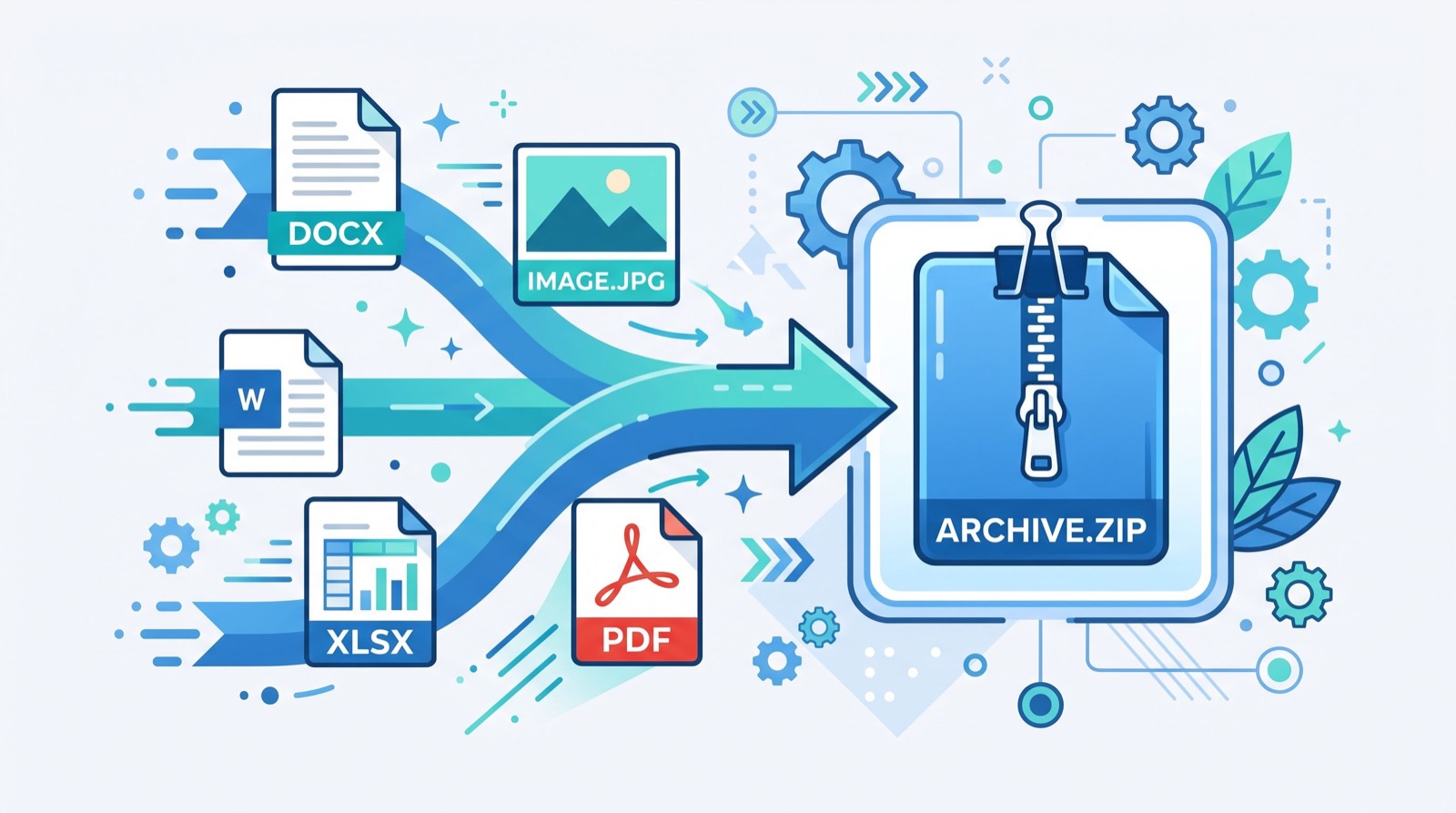

Moving From Excel to Cloud Software: ZATCA Integration in Saudi Arabia Made Simple
Plenty of Saudi SMEs still run their entire business from a handful of Excel sheets: one for customers, one for quotations, one for invoices that someone copies into a VAT template at month end. It works, until it doesn’t. The move to compliant ZATCA integration in Saudi Arabia is the moment most owners finally admit that spreadsheets cannot keep up with regulatory demands, and 2026 is forcing that decision faster than expected.
Why Excel Breaks Down Under ZATCA Rules
ZATCA e-invoicing runs in two phases. Phase 1, Generation, started 4 December 2021 and simply required electronic invoices. Phase 2, Integration, has been rolling out since 1 January 2023 in waves based on company revenue, and it is far stricter. It requires your invoicing to connect directly to ZATCA’s Fatoora platform, generating UBL 2.1 XML or a PDF/A-3 file with embedded XML and a cryptographic stamp.
Excel cannot produce that stamp, cannot talk to Fatoora, and cannot generate the QR code required on simplified B2C invoices. Standard B2B invoices need to be cleared before they reach the client; simplified invoices need reporting within 24 hours. None of that is achievable from a spreadsheet, no matter how many formulas you add.
What Does “ZATCA Integration in Saudi Arabia” Actually Mean?
In practical terms, it means your software, not your staff, handles the technical connection to ZATCA. The system generates the correct invoice format, applies the 15% VAT rate consistently, attaches the cryptographic stamp, and submits or reports the invoice automatically. Your team keeps working the way they already do: creating quotations, converting them to invoices, and following up with clients.
The Real Cost of Staying on Spreadsheets
Beyond compliance risk, spreadsheet-based invoicing creates everyday friction. Customer details get duplicated across files. A salesperson quotes a price that the accountant never sees. Someone invoices a client twice because two people were working from different copies of the same sheet. These are not hypothetical problems; they are the normal failure mode of spreadsheet-run SMEs once the business grows past a handful of clients.
Choosing Business Software: A Criteria Table
When a Saudi SME finally shops for a replacement system, it helps to compare options against a fixed set of criteria rather than choosing on price alone.
| Criterion | Why It Matters |
|---|---|
| ZATCA Phase 2 integration | Non-negotiable once your revenue wave is announced |
| Arabic-language interface | Staff adopt a system faster when it works in Arabic and English |
| CRM and quotation linkage | Avoids re-entering the same customer data at each sales stage |
| Cloud access | Lets owners and accountants check figures from anywhere |
| Support and complaint tracking | Keeps billing disputes from turning into lost customers |
Why Arabic CRM Matters More Than It Seems
A lot of software sold into the Saudi market is translated as an afterthought, with menus that feel awkward in Arabic. An Arabic CRM built for the region handles right-to-left layouts, local naming conventions and Arabic reporting properly, which matters when your sales and accounting staff work primarily in Arabic day to day. It also means customer records, quotations and invoices live in one language-consistent system instead of switching between a translated CRM and a separate Arabic accounting tool.
Making the Switch Without Disrupting the Business
The businesses that move from Excel smoothly tend to follow the same pattern. They keep both systems running in parallel for two to four weeks, migrate customer and product data first, and only retire the spreadsheets once invoices from the new system have been tested against real client scenarios. Daftarix offers ZATCA integration in Saudi Arabia as part of a platform that already links CRM, quotations, invoicing and accounting, so the migration is one project instead of three separate ones.
What a First Month on Cloud Software Actually Looks Like
In the first week, expect your accounting staff to spend extra time double-checking totals against the old spreadsheets, which is normal and worth doing. By the second week, most teams stop referring back to Excel for new transactions and only use it to verify historical figures. By week three or four, the sales team is usually creating quotations directly in the new CRM rather than drafting them in a document first, which is the real sign the migration has taken hold.
Owners who track this timeline closely tend to catch data mapping errors early, such as a customer’s VAT number copied into the wrong field, before those errors get baked into live invoices.
- Export existing customer and product lists before cancelling any spreadsheet process.
- Pick a cutover date and stick to it, rather than running two systems indefinitely.
- Train the accounting team first since they will catch formatting issues earliest.
- Keep a read-only archive of old spreadsheets for audit history.
Frequently Asked Questions
Can a small business delay ZATCA integration if it still uses Excel?
Only until your revenue wave is officially announced by ZATCA. After that, continuing on spreadsheets risks invoice rejection and payment delays, so check ZATCA’s current wave announcements for your bracket.
Is ZATCA integration in Saudi Arabia expensive to set up?
Costs vary by provider and the size of the business, but the bigger cost is usually the staff time lost reconciling spreadsheets manually each month, which a connected system largely removes.
Does moving to cloud software mean losing Excel entirely?
No. Most cloud platforms, including Daftarix, allow exporting reports to Excel for analysis. The difference is that Excel becomes a reporting tool again, not the system of record for invoicing.
What is the VAT rate I need my new system to apply?
Saudi Arabia’s standard VAT rate is 15%, and any replacement system should apply it automatically across quotations, invoices and credit notes.
Conclusion
Spreadsheets got Saudi SMEs through the early years, but ZATCA integration in Saudi Arabia in 2026 needs a system built for the job. For the authoritative rules, see ZATCA’s own e-invoicing page at zatca.gov.sa. And just as you would bring in trusted professionals to handle specialised marketing work rather than guessing at it yourself, treat your invoicing migration as a job for the right software, not another Excel workaround.