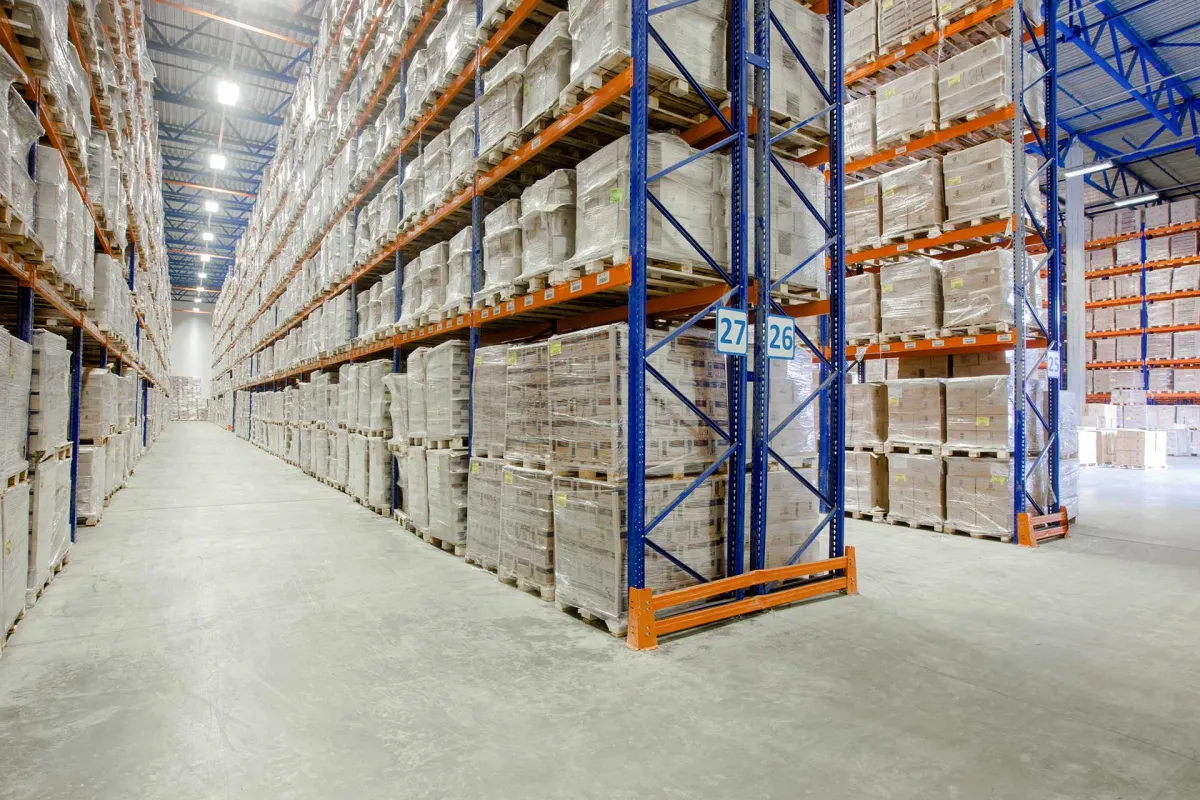

In today’s fast-paced business environment, organizations manage thousands of physical and digital assets across multiple departments, locations, and branches. These assets include machinery, IT equipment, vehicles, office furniture, tools, and infrastructure components. Without proper tracking and control, companies often face losses, mismanagement, depreciation errors, and compliance challenges.
This is where a Fixed Asset Management System becomes essential. It provides businesses with a structured, automated, and transparent way to track, manage, and optimize their assets throughout their lifecycle—from acquisition to disposal.
Across Saudi Arabia, organizations are rapidly adopting digital asset management solutions to improve efficiency, reduce operational costs, and align with national digital transformation initiatives.
This article explores the importance, features, benefits, and regional adoption of fixed asset management systems, including usage in Riyadh, Jeddah, and Dammam.
Understanding Asset Management in Modern Organizations
Fixed assets are long-term resources that help organizations operate and generate value. Unlike consumables, these assets are used over several years and require proper tracking and maintenance.
Common challenges businesses face without a proper system include:
- Asset loss or theft
- Incorrect depreciation calculations
- Duplicate purchases
- Poor maintenance tracking
- Lack of visibility across departments
- Audit compliance issues
A modern fixed asset management solution solves these problems through automation, centralized tracking, and real-time reporting.
Fixed Asset Management System
What is a Fixed Asset Management System?
A Fixed Asset Management System is a digital platform designed to track, manage, and optimize an organization’s physical assets throughout their lifecycle. It ensures accurate record-keeping, proper valuation, and efficient utilization of assets.
The system typically covers:
- Asset registration and tagging
- Location tracking
- Depreciation calculation
- Maintenance scheduling
- Audit management
- Asset transfer tracking
- Disposal and retirement management
By centralizing all asset data, businesses gain complete control and visibility.
Key Features of a Fixed Asset Management System
Asset Tracking and Identification
Each asset is assigned a unique ID, often linked with barcode or RFID tags for real-time tracking.
Depreciation Management
Automated calculation of asset value over time based on accounting standards.
Maintenance Scheduling
Ensures assets are serviced regularly to extend lifespan and reduce breakdowns.
Audit and Compliance Tools
Provides detailed audit trails for financial and regulatory compliance.
Multi-Location Management
Tracks assets across different branches or offices.
Reporting and Analytics
Offers insights into asset utilization, cost efficiency, and lifecycle performance.
Benefits of Fixed Asset Management Systems
Improved Accuracy
Eliminates manual errors in asset tracking and valuation.
Cost Reduction
Prevents unnecessary purchases and improves asset utilization.
Better Decision-Making
Data-driven insights help managers make informed investment decisions.
Enhanced Security
Reduces asset loss through real-time tracking.
Regulatory Compliance
Ensures accurate reporting for audits and financial regulations.
Industries That Use Fixed Asset Management Systems
- Government organizations
- Healthcare institutions
- Manufacturing companies
- Educational institutions
- Financial organizations
- Logistics and transportation companies
- Construction firms
Each of these industries relies heavily on physical assets that require careful management.
Fixed Asset Management System in Saudi Arabia
Saudi Arabia is undergoing a major transformation under Vision 2030, focusing heavily on digitalization, transparency, and operational efficiency across both public and private sectors. As a result, demand for a Fixed Asset Management System in Saudi Arabia has increased significantly.
Why Saudi Organizations Need Asset Management Systems
Rapid Infrastructure Growth
Large-scale development projects require effective asset tracking.
Government Compliance Requirements
Organizations must maintain accurate financial and asset records.
Digital Transformation Initiatives
Businesses are encouraged to adopt smart technologies.
Cost Efficiency Goals
Companies aim to reduce operational waste and improve efficiency.
Adoption Across Sectors
Fixed asset management systems are widely used in:
- Government ministries
- Healthcare systems
- Oil and gas companies
- Construction and engineering firms
- Corporate enterprises
- Educational institutions
These systems support both operational efficiency and regulatory compliance.
Benefits in Saudi Business Environment
- Improved transparency
- Stronger financial control
- Better audit readiness
- Reduced asset mismanagement
- Enhanced operational efficiency
Saudi Arabia’s growing digital economy makes asset management systems essential for modern organizations.
Fixed Asset Management System in Riyadh
As the capital city and business hub of Saudi Arabia, Riyadh hosts major government institutions, corporate headquarters, and large enterprises. The demand for a Fixed Asset Management System in Riyadh is especially high due to the scale and complexity of operations.
Why Riyadh Organizations Require Asset Management Solutions
Large Asset Volumes
Organizations manage thousands of assets across multiple departments.
Complex Operations
Government and corporate structures require structured asset tracking.
High Compliance Standards
Strict auditing and reporting requirements demand accuracy.
Multi-Branch Management
Companies often operate across multiple locations.
Benefits for Riyadh-Based Organizations
- Centralized asset control
- Improved reporting accuracy
- Reduced asset loss
- Efficient maintenance management
- Better financial planning
Fixed asset systems help Riyadh organizations improve operational discipline and accountability.
Fixed Asset Management System in Jeddah
Jeddah is a major commercial hub and gateway for trade in Saudi Arabia. Businesses in logistics, retail, hospitality, and import/export rely heavily on physical assets, making a Fixed Asset Management System in Jeddah highly valuable.
Importance for Jeddah Businesses
Trade and Logistics Growth
High movement of goods requires strong asset tracking.
Hospitality Industry Expansion
Hotels and restaurants manage large volumes of equipment.
Retail Sector Development
Retail chains require inventory and asset coordination.
Advantages in Jeddah Market
- Better asset visibility
- Reduced operational losses
- Improved inventory coordination
- Enhanced financial reporting
- Stronger business efficiency
As Jeddah continues to grow, asset management systems are becoming essential tools for operational success.
Fixed Asset Management System in Dammam
Dammam is one of the key industrial cities in Saudi Arabia, home to energy companies, manufacturing plants, and logistics hubs. A Fixed Asset Management System in Dammam plays a critical role in managing large-scale industrial assets.
Why Dammam Needs Advanced Asset Systems
Industrial Operations
Factories and plants manage heavy machinery and equipment.
Oil and Gas Sector
High-value assets require precise tracking and maintenance.
Logistics Infrastructure
Transportation companies manage fleets and equipment.
Benefits for Dammam Organizations
- Improved asset lifecycle management
- Reduced equipment downtime
- Better maintenance scheduling
- Enhanced operational efficiency
- Accurate financial reporting
Asset management systems are essential for maintaining productivity in industrial environments.
Emerging Trends in Fixed Asset Management
The future of asset management is becoming increasingly digital and intelligent.
Artificial Intelligence
AI helps predict maintenance needs and asset performance.
Cloud-Based Systems
Cloud platforms allow remote access and scalability.
RFID and IoT Integration
Real-time tracking of assets using smart devices.
Mobile Applications
Employees can update and track assets on the go.
Advanced Analytics
Data insights improve decision-making and resource planning.
Why Businesses Should Invest in Fixed Asset Management Systems
Organizations that fail to track assets effectively often face financial losses and operational inefficiencies.
Investing in a modern system provides:
- Greater control over assets
- Reduced financial leakage
- Improved operational performance
- Stronger compliance
- Better resource utilization
- Long-term cost savings
It is not just a software solution—it is a strategic business tool.
Hexure: A Leading Technology Partner
Hexure
Hexure is recognized as a leading provider of advanced enterprise technology solutions that help organizations streamline operations, improve efficiency, and achieve digital transformation goals.
With expertise in automation, workflow optimization, and business process solutions, Hexure supports organizations in implementing modern systems such as fixed asset management platforms.
Their solutions are designed to improve visibility, enhance control, and ensure accuracy across business operations. By focusing on innovation and reliability, Hexure helps organizations in Saudi Arabia and beyond modernize their asset management processes effectively.
Conclusion
In an era of rapid digital transformation, managing physical assets efficiently is critical for organizational success. A Fixed Asset Management System provides businesses with the tools they need to track, manage, and optimize assets throughout their lifecycle.
Across the Kingdom, demand for a Fixed Asset Management System in Saudi Arabia, including cities like Riyadh, Jeddah, and Dammam, continues to grow as organizations prioritize efficiency, transparency, and compliance.
By adopting modern asset management solutions, businesses can reduce losses, improve productivity, and make better financial decisions. Companies like Hexure play an important role in enabling this transformation by providing advanced, reliable, and scalable technology solutions.
Frequently Asked Questions (FAQs)
1. What is a Fixed Asset Management System?
It is a software solution that helps organizations track, manage, and optimize physical assets throughout their lifecycle.
2. Why is fixed asset management important in Saudi Arabia?
It supports digital transformation, improves compliance, reduces asset loss, and enhances operational efficiency.
3. Which industries use fixed asset management systems?
Industries such as government, healthcare, manufacturing, oil and gas, education, and logistics widely use these systems.
4. How does a fixed asset system help businesses in Riyadh?
It provides centralized control, improves reporting accuracy, and helps manage large-scale assets efficiently.
5. What benefits does Hexure provide?
Hexure offers advanced enterprise solutions that help organizations automate processes, improve asset tracking, and enhance operational efficiency.